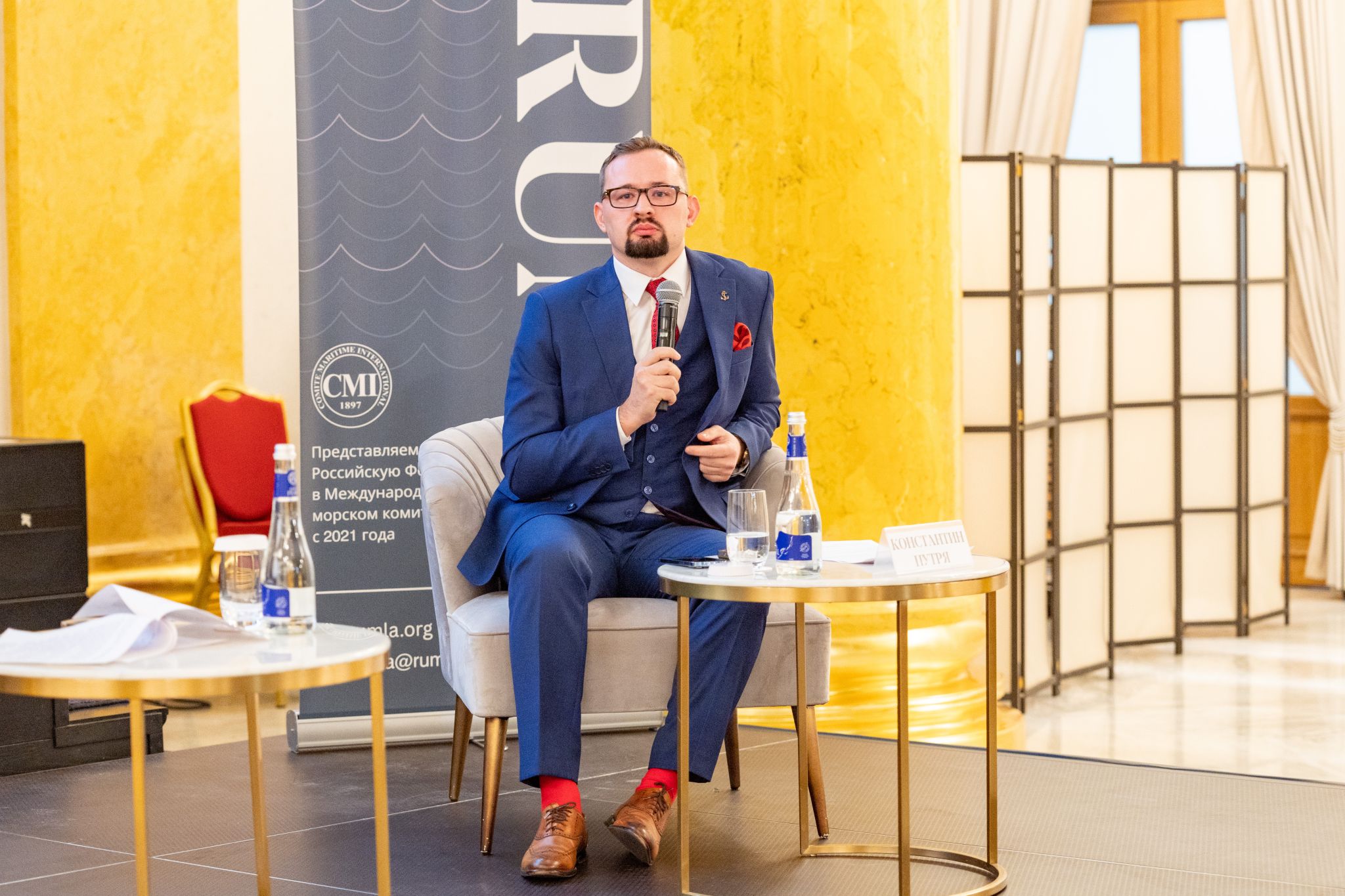
A partner of NAVICUS.LAW discussed several issues with colleagues at the event. Among the key topics addressed was the choice of a neutral jurisdiction for resolving disputes with foreign counterparties. Konstantin Putrya noted that, alongside the major international arbitral centres such as Singapore International Arbitration Centre and HKIAC, more specialised maritime forums are also gaining prominence such as Hong Kong Maritime Arbitration Group and Singapore Chamber of Maritime Arbitration (SCMA). For disputes arising within Russia, he recommended considering the Russian Arbitration Center at Russian Institute of Modern Arbitration.
At the same time, recent Russian judicial practice is marked by inconsistency. In some cases, courts refuse to recognise foreign arbitral awards on the grounds that the institution involved is deemed “unfriendly.” Yet in others, state courts may decline to hear a case and send the parties back to the very “unfriendly” foreign arbitral forum named in their contract. This creates a challenging and unpredictable environment for risk planning, making the choice of arbitration clause more critical than ever.
The generational gap remains a pressing challenge for the sector. There is a clear shortage of younger specialists in maritime law, whether in practice, academia or arbitration. As senior practitioners with unique expertise are stepping back, while the next wave of lawyers is not maturing fast enough to inherit their knowledge, a concern highlighted several times by the NAVICUS.LAW partner during the conference.
The old divide between public-law and private-law lawyers is now behind us. According to the experts, a much broader knowledge is required in today’s reality. To provide comprehensive counsel and develop robust legal strategies, lawyers now need to navigate both areas with confidence. This trend towards “legal hybridisation” is a response to the pressures of the present, Konstantin Putrya noted.